The Centre for Invasion Biology (C·I·B) is an academic and research entity of theStellenbosch University (SU)and resides in the SU School for Climate Studies. The principal aims of the C·I·B’s work are to provide the scientific understanding and predictive capability to reduce the rates and impacts of biological invasions and by developing research capacity through post-graduate student training. The C·I·B’s activities are significantly interdisciplinary in nature, and it aims to enhance its activities and contribution within Africa, especially through scientific risk assessment in national and multi-lateral forums and global scientific and policy bodies, advancing technical guidance, and implementation of response actions. Find out moreabout us.
We investigate how biological diversity is altered by invasive plants and animals, and the effects these have on the functioning of ecosystems and the services they deliver.
In support of our vision, we train and guide students who are studying towards an Honours, Masters or Doctoral degree in biodiversity, environmental sociology or invasion biology.
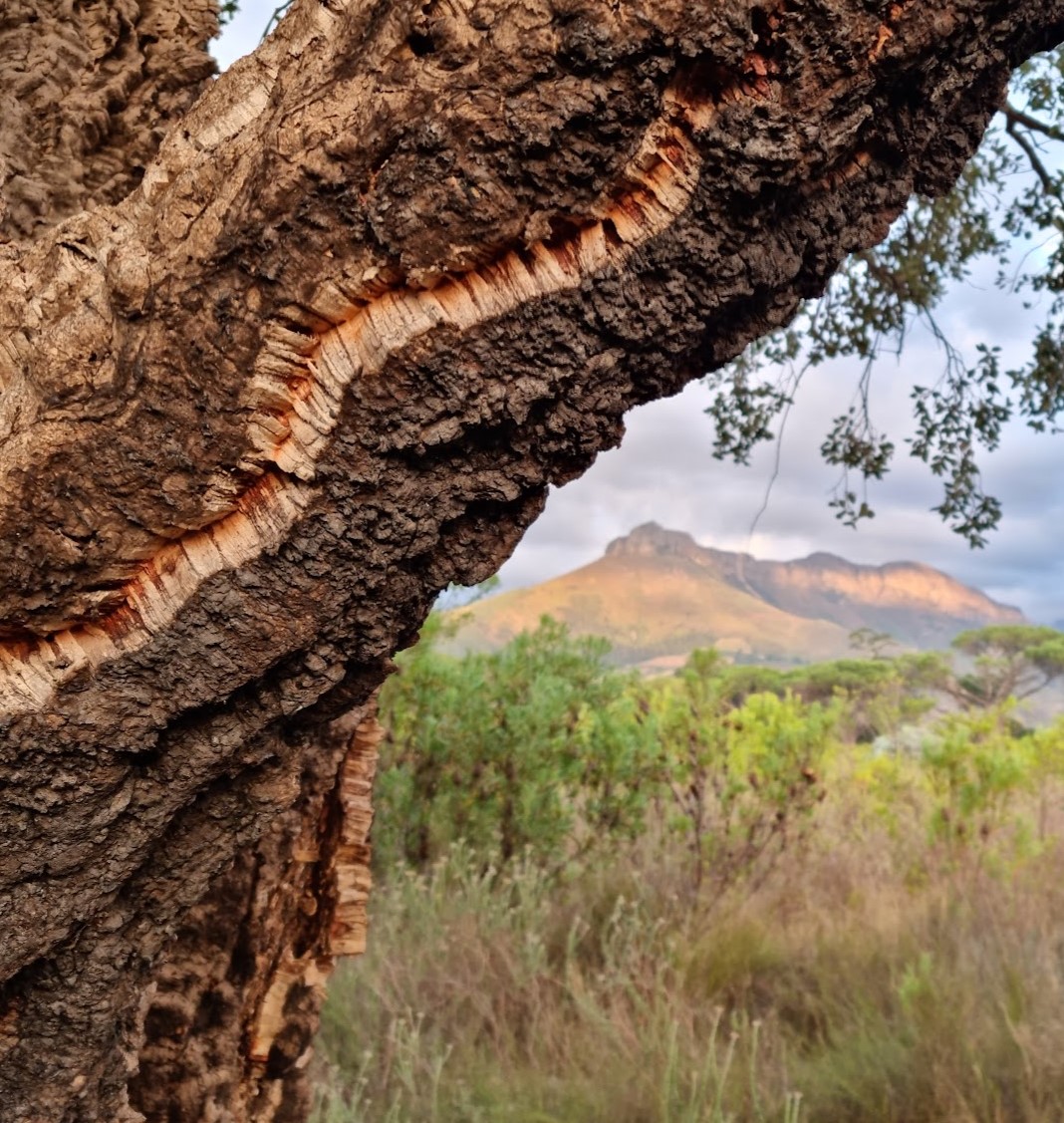
CIB study traces the history of the introduction of the genus Quercus into South Africa, as well as its current status and the factors that are changing its distribution across our landscapes.
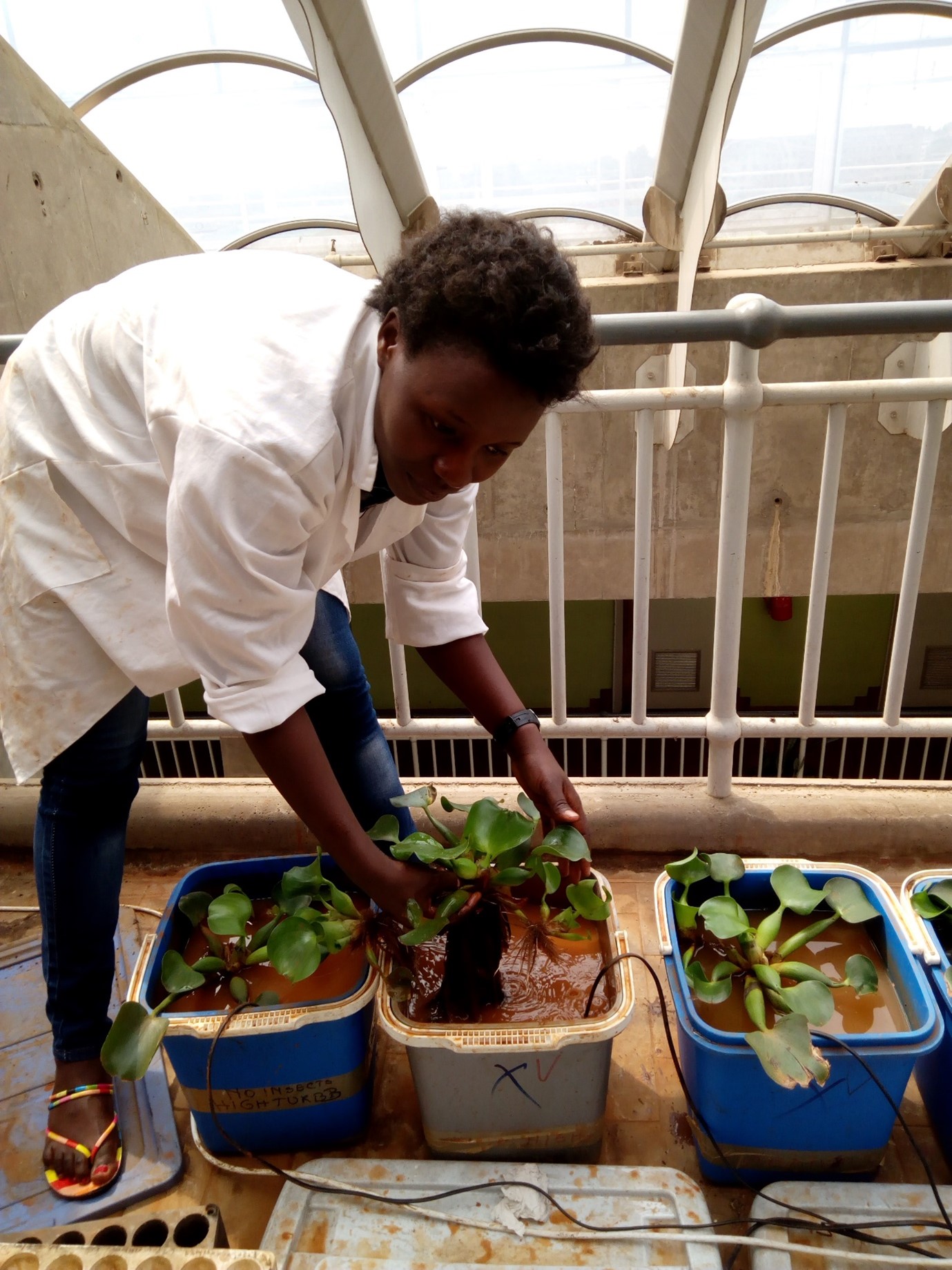
A recent study revealed that high levels water turbidity levels negatively affected the development, survival and establishment of the water hyacinth weevils.
A study, co-authored by CIB Core Team member Prof Cang Hui, has found that the native biodiversity of natural forests largely buffers the severity of non-native tree invasions.
Invasion biology is the study of both the species that become invasive in a system and their impacts on the system they have invaded, as well as the remediation of such invasions.